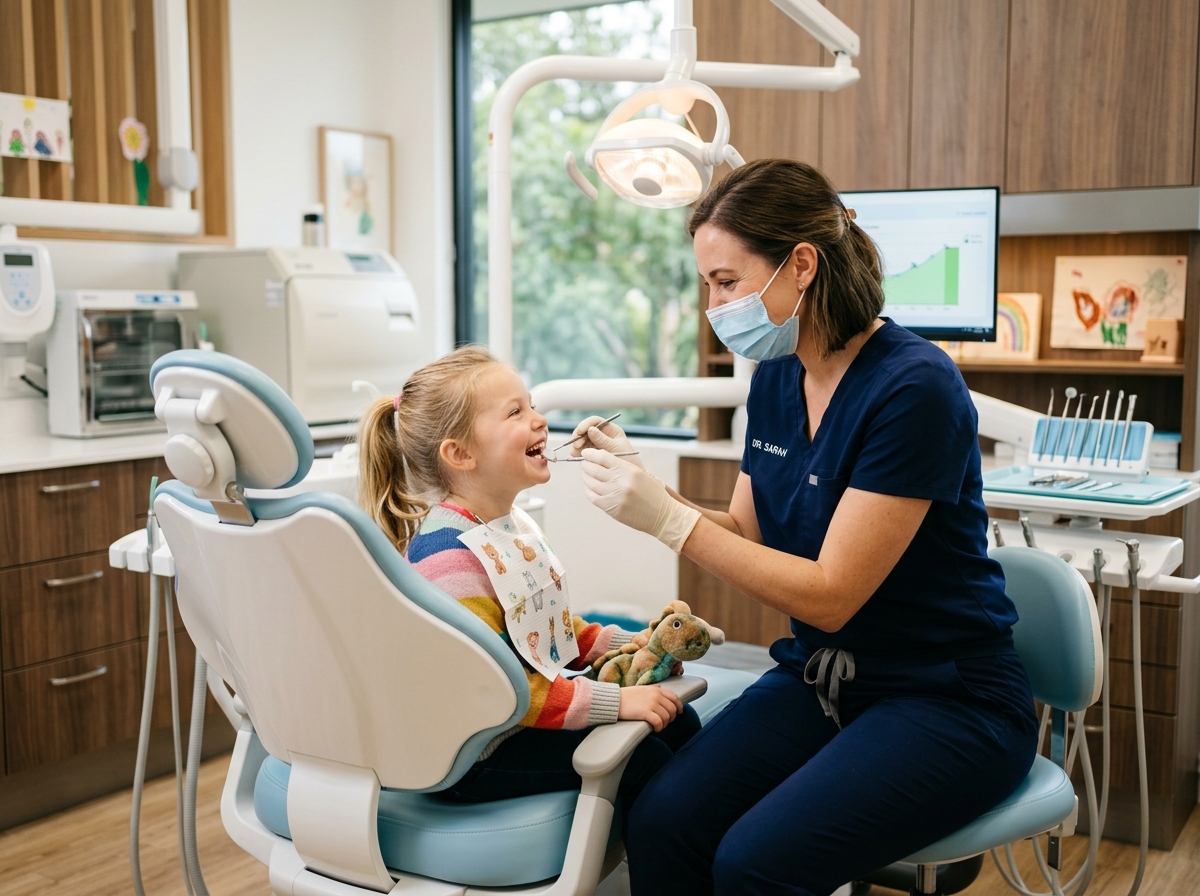
Pediatric Dentistry in Bhubaneswar: A Complete Guide to Your Child's Dental Health
A child's smile changes dramatically as they grow.
From the first baby tooth to the arrival of permanent teeth, childhood is an important period for developing healthy oral habits.
Unfortunately, dental problems can also begin early. Tooth decay, dental injuries, thumb sucking, poor brushing habits, and frequent sugary snacks can all affect children's oral health.
That is why parents should think about dental care before a child develops a serious dental problem.
If you're looking for a pediatric dentist in Bhubaneswar, here's what parents should know about children's dental health.
Why Children's Dental Health Matters
Baby teeth are temporary, but that doesn't mean they are unimportant.
Primary teeth help children:
- Chew food
- Develop speech
- Maintain space for permanent teeth
- Develop healthy oral habits
- Smile confidently
Premature loss or severe damage to baby teeth can sometimes create additional dental concerns.
Good dental care during childhood can therefore help establish a foundation for healthier oral habits later in life.
When Should a Child First Visit a Dentist?
Parents often wait until their child has a dental problem before scheduling the first appointment.
It is better to introduce children to dental care early.
An early dental visit allows the dentist to:
- Examine developing teeth
- Look for early signs of tooth decay
- Discuss brushing habits
- Guide parents about diet
- Monitor oral development
- Help the child become comfortable with dental visits
Early positive experiences can make future dental appointments easier for children.
Common Dental Problems in Children
Tooth Decay
Dental cavities are among the most common oral health problems in children. Frequent exposure to sugary foods and drinks, inadequate brushing, plaque accumulation, and other factors can increase the risk of decay.
Early cavities may not always cause pain. That is why regular dental examinations are important.
Gum Problems
Although gum disease is more commonly associated with adults, children can also experience gum inflammation. Redness, swelling, bleeding, or persistent bad breath should be discussed with a dental professional.
Dental Injuries
Children are active. Falls, sports injuries, and accidents can damage teeth.
If a child experiences a dental injury, parents should seek professional dental advice promptly—even if the tooth appears to be okay.
Tooth Sensitivity
Children may sometimes complain that their teeth hurt when eating something cold, hot, or sweet.
Sensitivity can have several causes, so parents shouldn't assume it is simply a normal part of growing up. A dental examination can help determine the cause.
How Can Parents Prevent Cavities?
Parents play an important role in preventing childhood tooth decay.
Encourage regular brushing
Children should develop a consistent brushing routine appropriate for their age.
Monitor sugary foods
Frequent sugary snacks and drinks can increase the risk of cavities.
Encourage water
Water is a simple, tooth-friendly drink choice.
Don't ignore dental visits
Routine examinations can help identify early dental problems.
Help younger children brush
Young children may not yet have the coordination needed to clean every area properly. Parents should supervise or assist them as appropriate.
Why Baby Teeth Need Proper Care
One common misconception is:
"Baby teeth will fall out anyway, so they don't need much treatment."
This isn't correct.
Baby teeth play important roles in childhood development. If a baby tooth develops significant decay or becomes infected, professional treatment may be necessary.
Maintaining healthy primary teeth can support comfortable eating and normal development while permanent teeth are developing.
Thumb Sucking and Dental Development
Thumb sucking can be a normal habit for babies and young children.
However, prolonged thumb sucking can potentially affect the position and development of the teeth and jaws.
The impact depends on factors such as:
- Duration of the habit
- Frequency
- Intensity
- Child's age
- Individual dental development
Parents concerned about persistent thumb sucking should discuss it with a dentist rather than trying to stop the habit through punishment.
How to Make Dental Visits Less Scary
Some children become nervous when visiting a dental clinic. Parents can make the experience easier.
- Avoid using frightening words: Try not to describe dental treatment using words that may create unnecessary fear.
- Stay positive: Talk about the dental visit in a calm and positive way.
- Don't transfer your own dental anxiety: Children often notice how adults react to new situations.
- Start dental visits early: Regular visits can make the dental clinic feel familiar rather than unusual.
- Allow the dentist to communicate with the child: A child-friendly approach can help build trust.
What Happens During a Child's Dental Checkup?
A child's dental appointment may include:
- Reviewing dental history
- Examining the teeth and gums
- Checking for cavities
- Assessing oral hygiene
- Monitoring dental development
- Discussing brushing and diet
- Recommending preventive care where appropriate
The exact examination depends on the child's age and dental condition.
When Should Parents Contact a Dentist Immediately?
Seek professional dental advice if your child experiences:
- Severe toothache
- Facial or gum swelling
- A broken tooth
- A knocked-out permanent tooth
- Persistent bleeding
- Significant dental trauma
- Fever associated with dental swelling
- Difficulty eating because of dental pain
Dental injuries and swelling can require prompt evaluation.
Choosing a Pediatric Dentist in Bhubaneswar
Choosing the right dental professional is an important decision for parents.
When looking for a pediatric dentist in Bhubaneswar, consider:
- Experience treating children
- Child-friendly communication
- Clinic hygiene
- Available diagnostic facilities
- Preventive dental care
- Approach toward anxious children
- Clear communication with parents
The goal should be to make dental care a normal part of your child's healthcare routine rather than something they only experience during emergencies.
Frequently Asked Questions
Children should have an early dental assessment once their first teeth begin appearing, followed by regular dental care based on the dentist's recommendations.
They can be. Untreated decay may cause pain, infection, difficulty eating, and other complications.
Encourage regular brushing, limit frequent sugary foods and drinks, encourage water, and maintain regular dental checkups.
Choose a clinic with a child-friendly approach and introduce dental visits early. Positive, calm experiences can help children become more comfortable.
Yes. Baby teeth have important functions and may need treatment if they develop significant decay or infection.
Contact a dentist promptly. The appropriate treatment depends on the type and severity of the injury.
Empire Dental Clinic
Advanced Dental Care & Pediatric Dentistry CenterLaxmisagar, Bhubaneswar, Odisha – 751006.